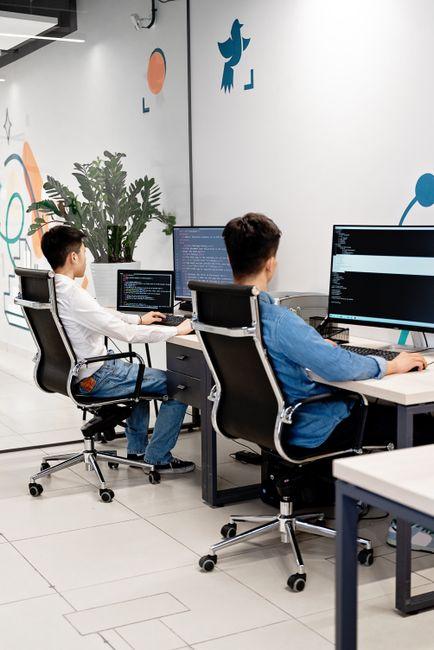
Elevating Business Success with a Leading Website Development Company Mumbai




Building a Strong Digital Foundation for Business Growth
Website Development Company Mumbai helps businesses create a clear and useful digital foundation. A website is often the first place where a customer checks a company’s credibility, services, and contact details. Therefore, its design must support trust as well as visual appeal. Akshaykumar Sharma combines full-stack development with digital strategy for startups, small businesses, and growing companies in India and Australia.
Why the foundation matters
A strong platform makes future improvements easier. It can support search visibility, lead capture, ecommerce, customer accounts, and connected business tools. Additionally, a well-planned website reduces confusion for visitors and staff. The work begins with understanding the business model, audience, services, and growth goals.
- Clear navigation helps visitors find important information quickly.
- Responsive layouts improve use across phones, tablets, and computers.
- Secure architecture supports reliable business operations.
- Scalable planning makes later feature additions more practical.
- Useful content answers customer needs before a sales conversation.
As a result, the website becomes an active business asset rather than a static online brochure.
Planning Custom Website Development Around Real Objectives
Custom website development in Mumbai should begin with business needs instead of assumptions. Every company has different customers, services, processes, and measures of success. For example, a local service provider may need enquiry forms, while an ecommerce brand may need product discovery and secure checkout. Akshaykumar Sharma studies these differences before recommending a suitable development path.
From requirements to a practical plan
The planning stage connects business goals with user journeys and technical decisions. Moreover, it helps prevent unnecessary features from making the experience harder to use. A clear plan also supports better communication during design, development, testing, and launch.
- Define the audience, business goals, and primary user actions.
- Map key pages, content needs, forms, and conversion paths.
- Select suitable technologies for performance and future maintenance.
- Design interfaces that match the brand and customer expectations.
- Test important journeys before the final launch.
This method creates a digital experience that feels purposeful. Consequently, the website can support marketing, sales, service, and long-term expansion in a connected way.
Improving Visibility Through Search and Local Relevance
Visibility is essential when customers compare businesses online. A well-built website must also help search engines understand its pages, services, location, and expertise. Akshaykumar Sharma offers SEO, technical SEO, and local SEO as connected parts of digital development. This approach is useful because design and search structure can support one another from the beginning.
Making local discovery easier
Local SEO services for Mumbai businesses can improve how a company presents itself to nearby audiences. However, visibility depends on accurate information, useful content, technical health, and a consistent customer experience. Search improvements should reflect genuine services and clear business information rather than exaggerated claims.
- Organised page structure helps search engines read important topics.
- Location-focused content connects services with relevant local intent.
- Technical checks support speed, indexing, mobile use, and accessibility.
- Accurate business details strengthen trust across digital profiles.
- Helpful service pages answer questions before visitors make contact.
Therefore, SEO becomes part of the website’s foundation. Over time, this can help the right audiences discover a business more confidently.
Creating Ecommerce and WordPress Experiences That Work
Different businesses need different website systems. WordPress development can suit companies that need manageable content and a flexible publishing structure. Ecommerce development, by contrast, must guide visitors from product discovery to purchase with clarity and care. Akshaykumar Sharma plans each experience around the products, audience, operations, and future requirements of the business.
Key areas of a useful customer experience
Strong ecommerce and content platforms should be easy to use for customers and practical for the internal team. Additionally, the system should support changes in products, pages, promotions, and customer communication. Performance and security are also important because slow or confusing journeys can reduce trust.
- Simple menus help customers reach products or services efficiently.
- Clear product details support informed purchase decisions.
- Mobile-first layouts improve browsing on commonly used devices.
- Well-planned forms reduce friction during enquiries or checkout.
- Content controls help teams maintain accurate business information.
Testing is carried out across key devices and user journeys. Finally, analytics and feedback can guide future improvements after launch.
Connecting CRM, ERP, SaaS, and Business Automation
As a company grows, disconnected tools can slow work and create repeated data entry. CRM and ERP development for Indian startups can bring customer management, operations, finance, inventory, and reporting into a more organised system. Akshaykumar Sharma builds tailored software for businesses that need processes designed around their own workflows.
Turning repeated work into connected processes
Automation does not mean removing human judgement. Instead, it helps teams spend less time on repetitive steps and more time on valuable decisions. For example, a lead can move from an online form into a CRM, trigger an internal task, and support a clear follow-up process. Similarly, ERP functions can help teams view operational information in one place.
- CRM systems can organise leads, customer records, and follow-ups.
- ERP platforms can connect departments and operational information.
- SaaS products can support recurring access and structured workflows.
- Automation can reduce repeated manual updates across teams.
- Dashboards can make important business information easier to review.
Consequently, custom systems can improve consistency without forcing a business into an unsuitable process.
Using AI, APIs, and Mobile Development Responsibly
Modern businesses often need technology that connects services and supports faster decisions. AI solutions, API integration, and mobile app development can extend the value of a website or internal platform. However, each addition should solve a clear problem. Akshaykumar Sharma evaluates the business case, available data, user needs, and security considerations before selecting an approach.
Practical technology choices
AI may assist with classification, recommendations, support workflows, or information handling when the use case is suitable. APIs can connect payment services, communication tools, analytics platforms, and business systems. Mobile applications can provide focused access for customers, staff, or field teams.
- Identify the problem before choosing an advanced technology.
- Review data quality, privacy needs, and access controls.
- Plan how systems will exchange information through secure APIs.
- Keep mobile journeys focused on important user actions.
- Measure usefulness through feedback and business outcomes.
Additionally, responsible development includes testing, documentation, monitoring, and planned maintenance. This creates technology that remains useful as the company changes.
Supporting Performance, Security, and Long-Term Maintenance
A digital platform should remain dependable after launch. Performance, security, accessibility, and maintenance all influence how customers and employees experience a system. Akshaykumar Sharma considers these areas during development rather than treating them as last-minute tasks. As a result, businesses can reduce avoidable issues and create a more stable foundation for growth.
What ongoing quality involves
Performance work may include efficient page structures, suitable media handling, and careful use of scripts. Security requires suitable access controls, updates, validation, backups, and monitoring. Accessibility helps more people use the platform, while maintenance keeps content and software aligned with changing needs.
- Regular checks can identify broken links and technical errors.
- Security reviews help protect accounts, forms, and business data.
- Performance monitoring can reveal slow or difficult user journeys.
- Content reviews keep services, prices, and contact details accurate.
- Planned improvements prevent the platform from becoming outdated.
Moreover, documentation makes future changes easier for the business and its technical partners. Reliable support protects the value created during the original project.
Choosing a Development Partner for a Growing Company
Selecting a development partner involves more than comparing technical terms. Businesses should look for clear communication, relevant experience, practical planning, and an understanding of commercial goals. Akshaykumar Sharma brings website development, SEO, custom software, automation, and AI capability under one provider. This can reduce the gap between marketing needs and technical execution.
Questions that support a sound decision
A useful partner should explain choices in simple language and show how each recommendation connects with the business. Furthermore, the process should include discovery, milestones, testing, review, launch, and post-launch support. Businesses should also understand ownership, access, maintenance, and future improvement options.
- Ask how the project will support specific business objectives.
- Review the proposed user experience and technical approach.
- Confirm how testing, security, and performance will be handled.
- Discuss integrations with current tools and future systems.
- Clarify communication, documentation, support, and maintenance.
A thoughtful partnership creates better alignment from the first conversation. Therefore, the final platform is more likely to remain useful as the company expands.
Turning Digital Investment into Measurable Business Value
Digital development delivers value when it improves a real business outcome. That outcome may involve stronger enquiries, clearer customer journeys, smoother operations, faster internal work, or better visibility. Akshaykumar Sharma helps businesses connect website development with SEO, software, automation, and long-term digital planning. The goal is not simply to add technology, but to make technology useful.
Measuring progress with practical signals
Different companies need different measures. A service business may review qualified enquiries and local discovery, while an online store may study product engagement and completed orders. Internal teams may focus on response times, record accuracy, or reduced repeated work. In each case, measurement should reflect the original objective.
- Track relevant enquiries and the quality of incoming leads.
- Review user behaviour on important pages and journeys.
- Monitor search visibility for genuine service-related topics.
- Measure process time before and after automation.
- Collect feedback from customers and internal users.
For consultation, businesses can contact Akshaykumar Sharma at +91 9075823589 or visit the official website. A clear discussion can identify a suitable next step.
Need Professional Assistance?
Speak with our experts today and get reliable guidance tailored to your requirements.
Call Now